
Barn & shop runs
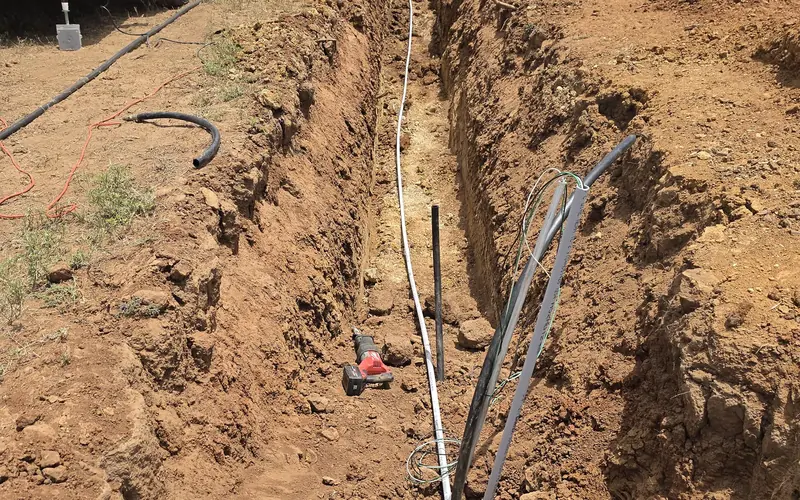
The long run from the meter or the house out to an outbuilding, cut straight and to whatever depth the conduit and the inspector call for.
Trenching · Jack, Palo Pinto, Young & Wise counties
Running a line out to a barn, a shop, a well or a trough means a long trench cut to depth, bedded properly, and closed back up so it does not settle into a rut. That part is ours.
Call 940-567-8111 Get a free estimate
We dig and backfill. A licensed tradesman makes the connections.
We cut, bed, backfill and compact trenches for underground utility and water lines — power out to a barn or shop, water out to a trough or yard hydrant, irrigation mainlines, and excavation to expose a buried line for repair. We do this with the same excavator and track loaders we use for land clearing and dirt work. We do not make electrical or plumbing connections and we do not hold those licenses — in Texas that work belongs to a licensed electrician or plumber.
The long run from the meter or the house out to an outbuilding, cut straight and to whatever depth the conduit and the inspector call for.
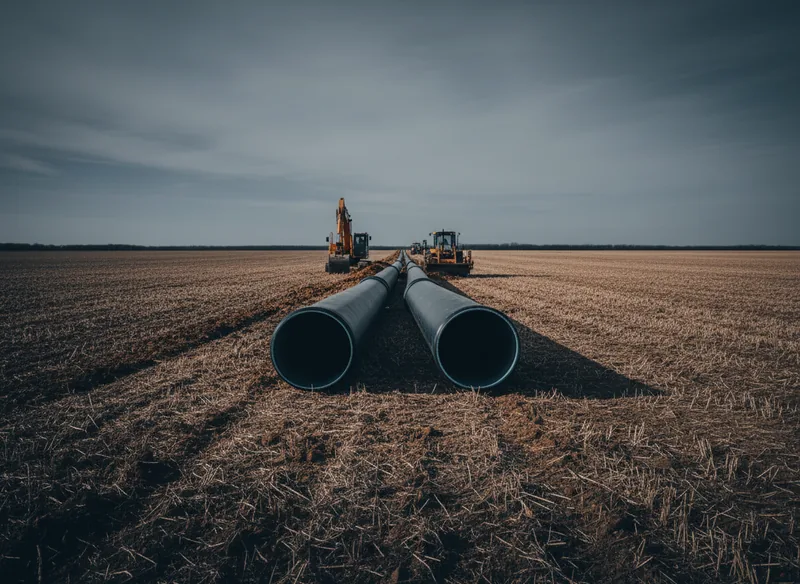
Water out to troughs, yard hydrants and pens — usually the single biggest run of trench on a working place.
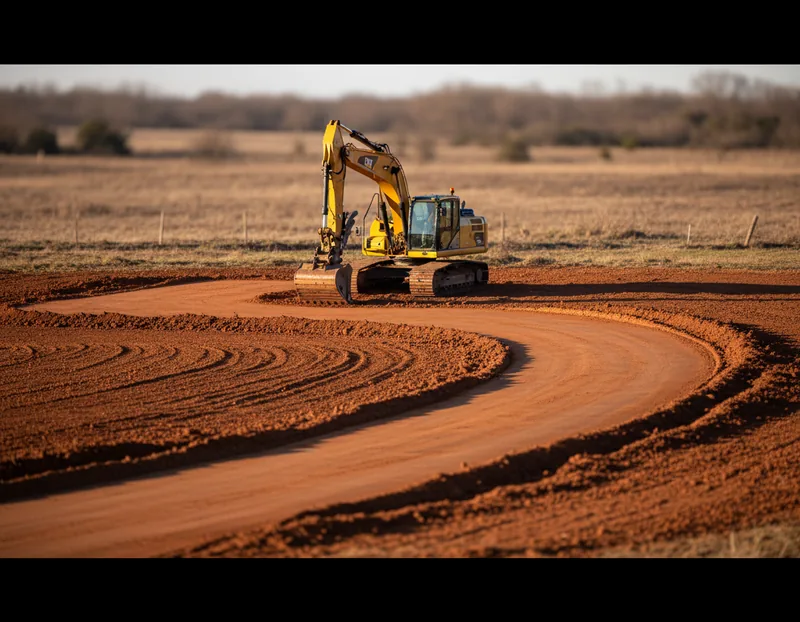
Power and water between a well, a pressure tank and the house, or out to a pump on the back side of the place.
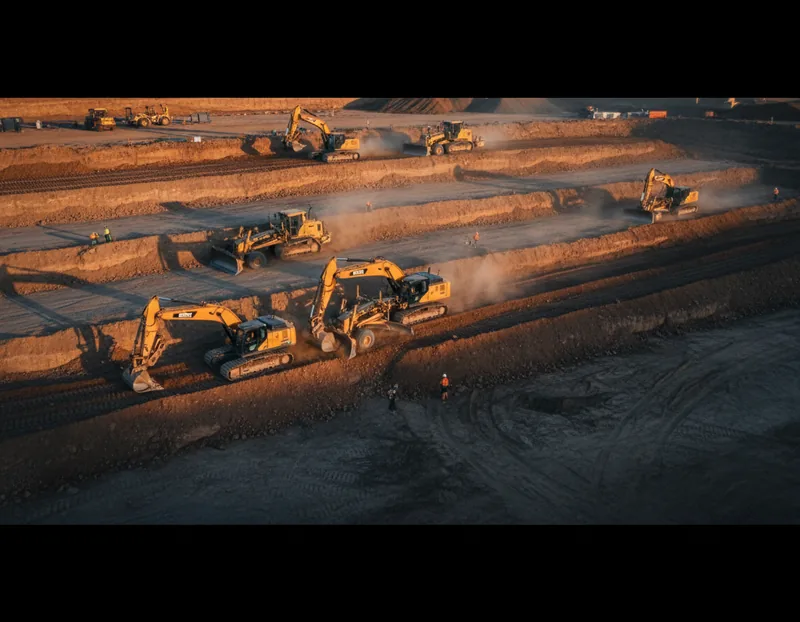
Where the spec calls for a sand bed above and below, we place and level it so rock in the backfill is not resting against a new line.
Digging carefully down to a known leak so your plumber arrives to an exposed pipe instead of a guess and a shovel.
Closed in lifts and compacted, warning tape placed if you want it, and the ground graded back so there is no settled scar by spring.
Most of the cost of rural trenching is simply distance. A run to a trough on the far side of a section is a lot of feet, and every foot has to sit deep enough to stay below frost and out of reach of a tractor tire or a shredder. North Texas does not freeze deep, but it freezes — and a shallow line that survives five winters will eventually meet the week it gets down into the teens.
Your electrician or plumber specifies the depth for the line and the application; we dig to it. Where the run crosses a drive, a lane, or anywhere equipment travels, it wants to be deeper still.
One thing worth planning before we start: while a trench is open is the cheapest it will ever be to put something else in it. If you have been meaning to run water to the same building you are running power to, say so now. Whether both can share one trench is your electrician's and plumber's call, not ours — but where they agree on the separation, it saves you a second mobilization and a second scar across the yard.
No, and we would not want to. Electrical connections in Texas require a licence issued through TDLR, and plumbing through the Texas State Board of Plumbing Examiners. We hold neither. We dig, bed and backfill; a licensed tradesman makes and tests the connections.
That comes from the code and the material your tradesman is using — direct-burial cable, PVC conduit, rigid conduit and water line all have different minimum cover, and a run under a driveway is deeper than one across a pasture. Tell us the number, or put us in touch with them.
West of Jacksboro especially, it happens. We stop and talk to you about the options — rerouting, or going shallower with different material and your tradesman's blessing — before we run up hours on it.
We can dig where it needs digging, carefully. Actually locating a leak is usually a plumber's job with the right gear — but once it is located, a machine and an operator opening it up costs a good deal less than plumbing rates for excavation.
We excavate the pits; the boring itself is normally done by the utility contractor or a dedicated boring outfit. We are glad to coordinate and have the ground open for them when they arrive.
No. Septic work in Texas — including drain fields — is licensed OSSF work and has to be done by the licensed installer who holds the permit. More on that here.
We are based in Jacksboro and work out from there across Jack County, Palo Pinto County, Young County and Wise County. If you are close to the edge of that circle, call and ask — we will tell you straight whether it is worth the drive for both of us.
Tell us where it starts, where it ends, and what depth your tradesman wants. We will get the ground open.